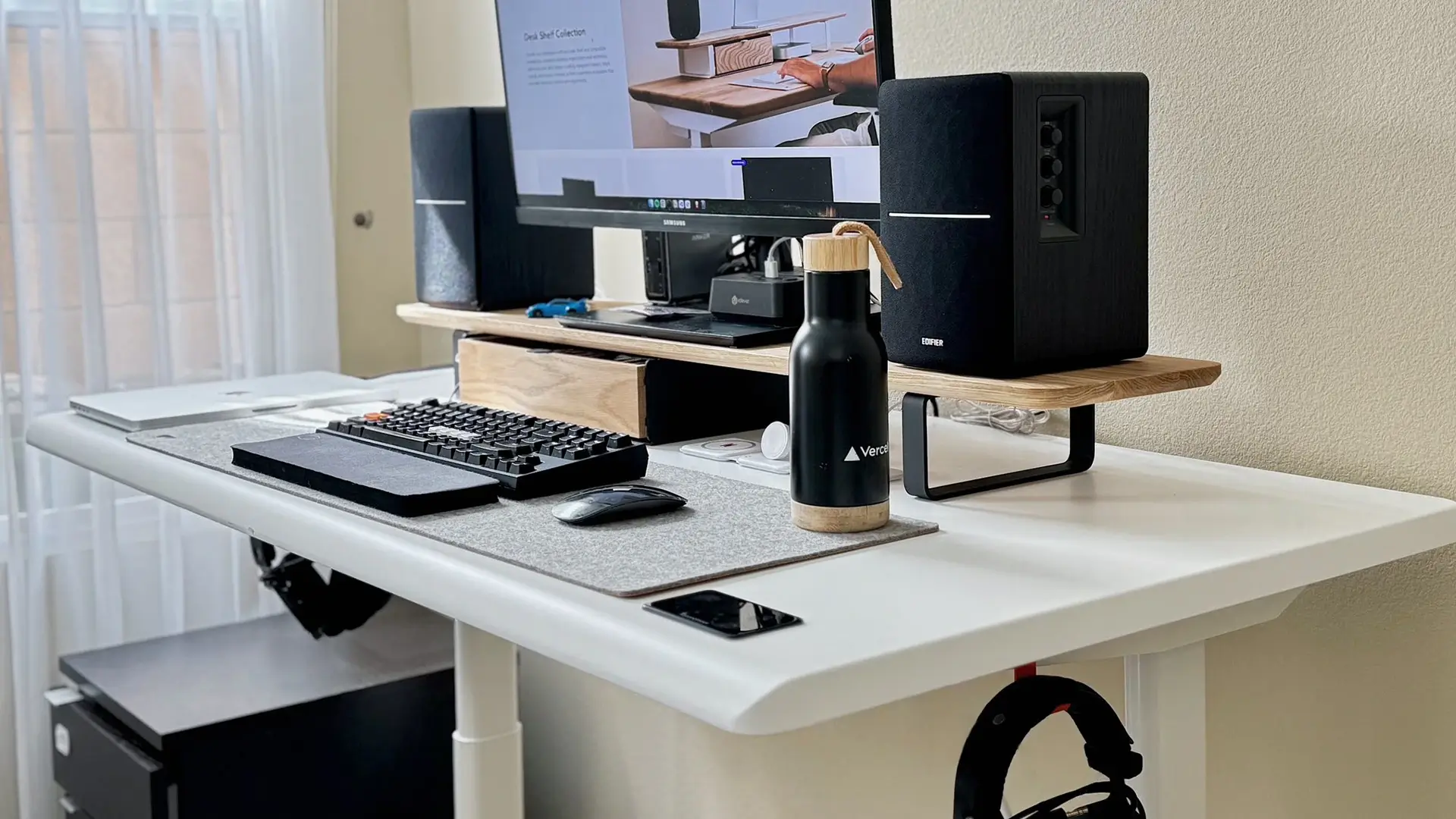
Context Review: Addressing the Curious Absence of Standing Desk Cable Management Details
In an increasingly digital and dynamic work environment, the demand for ergonomic solutions like standing desks has skyrocketed. Accompanying this rise is the critical, yet often overlooked, need for efficient cable management. Our recent review of various textual sources, notably those related to the U.S. Military Academy West Point – including "Steps to Admission," "Gateway for Visitors," and "USMAPS Military Program" – revealed a fascinating and rather telling void. Despite extensive content on admissions processes, visitor information, and military training, *zero details concerning standing desk cable management were found*. This striking absence, as highlighted in reports like West Point Articles Lack Standing Desk Cable Management Content and No Standing Desk Cable Management Info in West Point Context, underscores a broader truth: while many resources focus on primary operational aspects, practical considerations for a modern, organized workspace often get overlooked in generic content. This article aims to fill that informational gap. While the reference context was silent on the matter, the necessity for robust standing desk cable management is anything but. A well-managed cable setup is not merely an aesthetic preference; it's a fundamental component of safety, productivity, and the longevity of your equipment. Let's delve into why this often-neglected aspect deserves your full attention and how to achieve a perfectly organized standing desk.Why Standing Desk Cable Management is Non-Negotiable for Modern Workspaces
The shift towards standing desks brings with it a unique set of challenges for cable organization that traditional fixed desks simply don't encounter. The very act of raising and lowering your desk introduces movement that can snag, stretch, or even disconnect cables if not properly managed. Beyond this dynamic element, several compelling reasons elevate cable management from a minor detail to a critical operational priority:- Enhanced Safety: Loose cables are a tripping hazard, whether for you, your pets, or colleagues in an office setting. They can also get caught in the desk's moving parts, leading to equipment damage or even short circuits. Proper management mitigates these risks significantly.
- Improved Aesthetics and Professionalism: A tangled mess of wires detracts from even the most sophisticated workspace. A clean, organized desk looks professional, reduces visual clutter, and contributes to a calmer, more focused environment. First impressions, even in a home office, matter.
- Increased Productivity and Focus: Clutter is a known distraction. Spending time untangling wires or searching for the right plug breaks your flow and wastes valuable minutes. An organized setup allows you to focus on your tasks without unnecessary interruptions.
- Extended Equipment Lifespan: Cables that are constantly bent, pulled, or pinched are prone to wear and tear. Proper routing and support prevent stress on connectors and insulation, extending the life of your expensive electronics and their associated cables.
- Easier Troubleshooting and Maintenance: When a device isn't working, a well-managed cable system makes it easy to identify the culprit. Swapping out components, adding new peripherals, or performing maintenance becomes a straightforward task rather than a frustrating archaeological dig.
- Maximizing Desk Space: Cables that are neatly tucked away free up valuable surface area on your desk, allowing for a more spacious and functional workspace.
Essential Strategies and Tools for Taming the Tangled Web
Achieving a clean standing desk setup requires a strategic approach and the right arsenal of tools. The goal is to make cables almost invisible, secure them against movement, and allow for the full range of desk motion.Key Tools and Equipment:
There's a wide array of products designed to help you conquer cable clutter:
- Cable Trays/Management Spines: These are arguably the most crucial components. Mounted directly underneath the desk, cable trays provide a trough to hold power bricks, power strips, and excess cable length. Cable management spines (often coiled or hinged) are excellent for routing cables from the desk to the floor, accommodating height changes gracefully.
- Adhesive Cable Clips/Ties: Small, self-adhesive clips can secure individual cables along the underside of your desk or desk legs. Reusable Velcro ties or zip ties are perfect for bundling cables together, preventing tangles.
- Cable Sleeves/Wraps: These flexible tubes or wraps bundle multiple cables into a single, neat conduit. They come in various materials, from neoprene to braided fabric, and offer excellent protection while reducing visual clutter.
- Monitor Arm Integration: Many monitor arms come with integrated cable management channels. Utilizing these is a fantastic way to route display and power cables directly from your monitors down to the desk surface, effectively hiding them from view.
- Under-Desk Power Strips/Mounts: Instead of having a power strip on the floor, mount it directly to the underside of your desk. This keeps all power connections centralized and off the floor, dramatically improving tidiness and accessibility. Some specialized power strips are designed for this purpose.
- Desk Grommets: If your desk has pre-drilled holes, or you're willing to add them, grommets provide a clean pass-through for cables from the desk surface to the tray below.
- Cable Concealers (Floor/Wall): For cables running from the desk to a wall outlet or floor box, adhesive cable raceways can hide them completely, offering a seamless look.
Strategic Principles:
- Centralize Power: Consolidate all power connections into one or two mounted power strips under your desk.
- Bundle Similar Cables: Group power cables, display cables, and data cables separately or together using sleeves or ties.
- Leave Slack for Movement: This is critical for standing desks. Ensure there's enough slack for cables to move freely from the lowest to the highest desk setting without being pulled taut. Cable management spines are excellent for this.
- Plan Your Routing: Visualize the path each cable will take. Aim for the shortest, most direct route possible, utilizing the desk frame and cable management tools.
- Test Thoroughly: After initial setup, raise and lower your desk multiple times, observing how the cables behave. Adjust as necessary to prevent snagging or pulling.
A Step-by-Step Approach to Achieving a Pristine, Clutter-Free Setup
Ready to transform your chaotic cable situation into a model of organization? Follow these actionable steps for effective standing desk cable management:- Unplug and Declutter: Start by unplugging everything. Remove any devices or cables you no longer use. A fresh start is the best start. Clean your desk surface and the underside.
- Identify All Cables and Power Needs: List every device you have and its corresponding cables (power, HDMI, USB, Ethernet, etc.). Identify where each device needs to plug in. This helps in planning power strip placement.
- Mount Your Power Strip(s): Attach your chosen power strip(s) securely to the underside of your desk. Consider an option with surge protection. This is the central hub for all your device's power needs.
- Install Cable Trays and Spines: Mount cable trays beneath your desk. If you're using a cable management spine, attach it from the underside of your desk down to the floor. Ensure the spine is long enough to accommodate your desk's full range of motion.
- Route Power Cables First: Plug all your device's power adapters into the mounted power strip. Gather the excess cable length and tuck it neatly into the cable tray. If you have bulky power bricks, position them strategically within the tray.
- Integrate Display and Data Cables: For monitors, utilize any integrated cable management in your monitor arms. Route display (HDMI, DisplayPort) and data (USB, Ethernet) cables down from your peripherals. Bundle these together using cable ties or sleeves as they run towards your computer or docking station.
- Utilize Adhesive Clips and Grommets: For individual cables that need to run along the underside of the desk or down a leg, use adhesive clips to secure them. If you have desk grommets, feed cables through them for a clean look on the desktop.
- Bundle and Sleeve: Group similar cables together into cable sleeves or wraps where appropriate. This significantly reduces the number of visible strands and creates a cleaner aesthetic.
- Ensure Adequate Slack: Critically, once all cables are routed and secured, manually raise your standing desk to its highest position and lower it to its lowest. Observe all cables. They should move freely without tension, pulling, or snagging. Adjust any bundles or clips that restrict movement. The cable spine should flex and expand smoothly.
- Test Everything: Plug all your devices back in and test them to ensure they are receiving power and functioning correctly. Double-check all connections.
Beyond the Basics: Advanced Tips for Ultimate Cable Zen
Once you've mastered the foundational aspects of standing desk cable management, consider these advanced strategies for an even more streamlined setup:- Wireless Everything: Embrace wireless peripherals wherever possible. Wireless mice, keyboards, and even charging pads (for phones or earbuds) can drastically reduce the number of cables snaking across your desk surface. Look for monitors with integrated USB-C hubs that can provide power and data with a single cable connection to your laptop.
- Smart Home Integration: If your office equipment includes smart lighting, speakers, or other IoT devices, consider how their power and data needs can be integrated into your overall cable management plan, perhaps using smart plugs that can be hidden and controlled remotely.
- Custom Cutouts and Modding: For the truly dedicated, custom desk cutouts can allow for flush-mounted power outlets or USB hubs, eliminating the need for cables to travel over the desk edge. This is a more involved step, often requiring power tools, but offers the ultimate clean aesthetic.
- Color-Coded Cables: While less about physical management, using different colored cables for different types of devices (e.g., red for power, blue for data) can make troubleshooting incredibly easy. Alternatively, use small, color-coded labels on each end of a cable.
- Regular Maintenance: Cable management isn't a one-and-done task. Over time, you'll add or remove devices. Periodically review your setup, tighten ties, and adjust routes to maintain peak organization.